10Nov
0

Picture yourself standing before the Taj Mahal at sunrise, then days later, floating through emerald backwaters on a traditional houseboat. That’s the magic of combining the Golden Triangle and Kerala Backwaters into one incredible journey. Many travelers booking their first India trip face this choice: should you explore Delhi, Agra, and Jaipur’s historic treasures, or surrender to Kerala’s tranquil waterways and wellness retreats? The answer depends on your travel style, available time, and what kind of memories you want to create. Some want maximum sights packed into limited vacation days, while others crave slow mornings with water views and Ayurvedic spa sessions.
This guide walks you through both routes, helping you decide whether to choose one destination or combine them into an unforgettable 10 to 16-day adventure. You’ll discover the best months to visit, what each route offers, and how to customize your itinerary around your needs.
Delhi, Agra, and Jaipur form a compact circuit you can cover in just 5 to 6 days. You land in Delhi, explore Mughal-era monuments and modern landmarks, then drive three hours to catch the Taj Mahal bathed in morning light. Another scenic drive brings you to Jaipur’s pink palaces, bustling bazaars, and fort complexes that tell stories of Rajput kings.
The driving distances stay manageable, roads are well-maintained, and hotels range from budget guesthouses to five-star heritage properties. Guides bring each monument alive with historical context and local legends that textbooks never mention. If you’re working with limited annual leave and want to see India’s most iconic sights without long internal flights, the Golden Triangle and Kerala Backwaters combination delivers both cultural intensity and peaceful restoration.
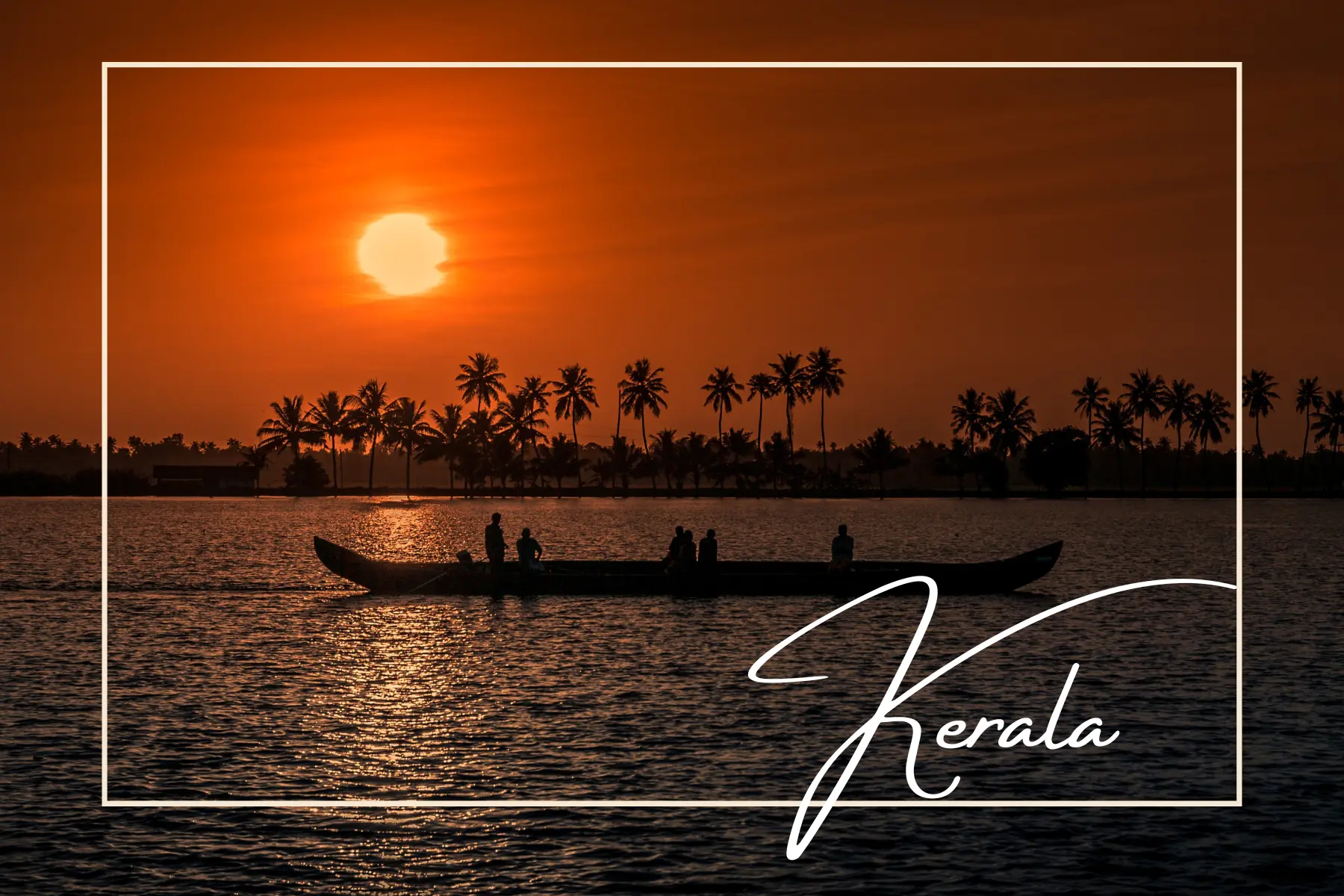
Some trips call for a different rhythm altogether. Kerala’s backwaters offer that rare combination of natural beauty and complete calm. You board a traditional kettuvallam houseboat in Alleppey, glide past paddy fields and village homes, and watch egrets lift off the water at dusk. Meals get cooked fresh on the boat deck using local fish, coconut, and spices.
Kochi adds colonial architecture, art galleries, and seafood restaurants serving catch-of-the-day curries. Munnar’s tea plantations spread across hillsides like green carpets, while Thekkady’s Periyar Reserve lets you spot elephants and bison from a lake boat. Kerala makes perfect sense when work has been intense and you need to reset your nervous system. Ayurvedic centers offer authentic treatments, beach resorts provide ocean views, and the entire state moves at a pace that encourages actual rest.
Combining the Golden Triangle and Kerala Backwaters requires 12 to 15 days for a relaxed pace. Start in Delhi with two nights exploring the Red Fort, the India Gate, and Qutub Minar. Drive to Agra for sunrise at Taj Mahal and sunset at Agra Fort. Continue to Jaipur via Fatehpur Sikri, spending two nights exploring Amber Fort and City Palace.
From Jaipur, fly to Kochi and shift gears entirely. Spend a day wandering Fort Kochi’s colonial streets and watching Chinese fishing nets at sunset. Drive to Munnar for tea estate walks and mountain views. Head to Thekkady for wildlife spotting, then finish with a houseboat cruise through Alleppey’s palm-lined canals. Working with travel agents in Delhi who specialize in Golden Triangle and Kerala Backwaters packages helps smooth logistics between north and south India.
💡 PRO TIP: Book Golden Triangle and Kerala Backwaters packages 45 to 60 days in advance during peak season (November to February) to secure better hotel rates and houseboat categories.
| Month | Temp Range | Crowd Level | Best For |
|---|---|---|---|
| Jan | 8–20°C | Moderate | Comfortable sightseeing |
| Feb | 12–26°C | Moderate | Pleasant weather |
| May | 30–45°C | Low | Budget travelers (fewer crowds) |
| Oct | 22–32°C | High | Festival season |
The Golden Triangle shines brightest between October and March when temperatures stay comfortable for full-day sightseeing. January brings cool mornings perfect for Taj Mahal visits, while October offers festival celebrations including Diwali and Dussehra. The summer months from April to June see temperatures crossing 40°C, making outdoor exploration challenging.
Kerala welcomes visitors year-round, but the period between October and February offers the most pleasant conditions. Monsoon months from June to August transform the landscape into a lush green paradise, perfect if you want Ayurvedic treatments and don’t mind occasional rain. Summer months (March to May) bring warmer temperatures but fewer tourists and lower hotel rates.
Delhi reveals layers of history from ancient empires to British colonial rule. Walk through Chandni Chowk’s narrow lanes where spice merchants have sold their wares for centuries. Stand inside Humayun’s Tomb and see the architectural blueprint that inspired the Taj Mahal.
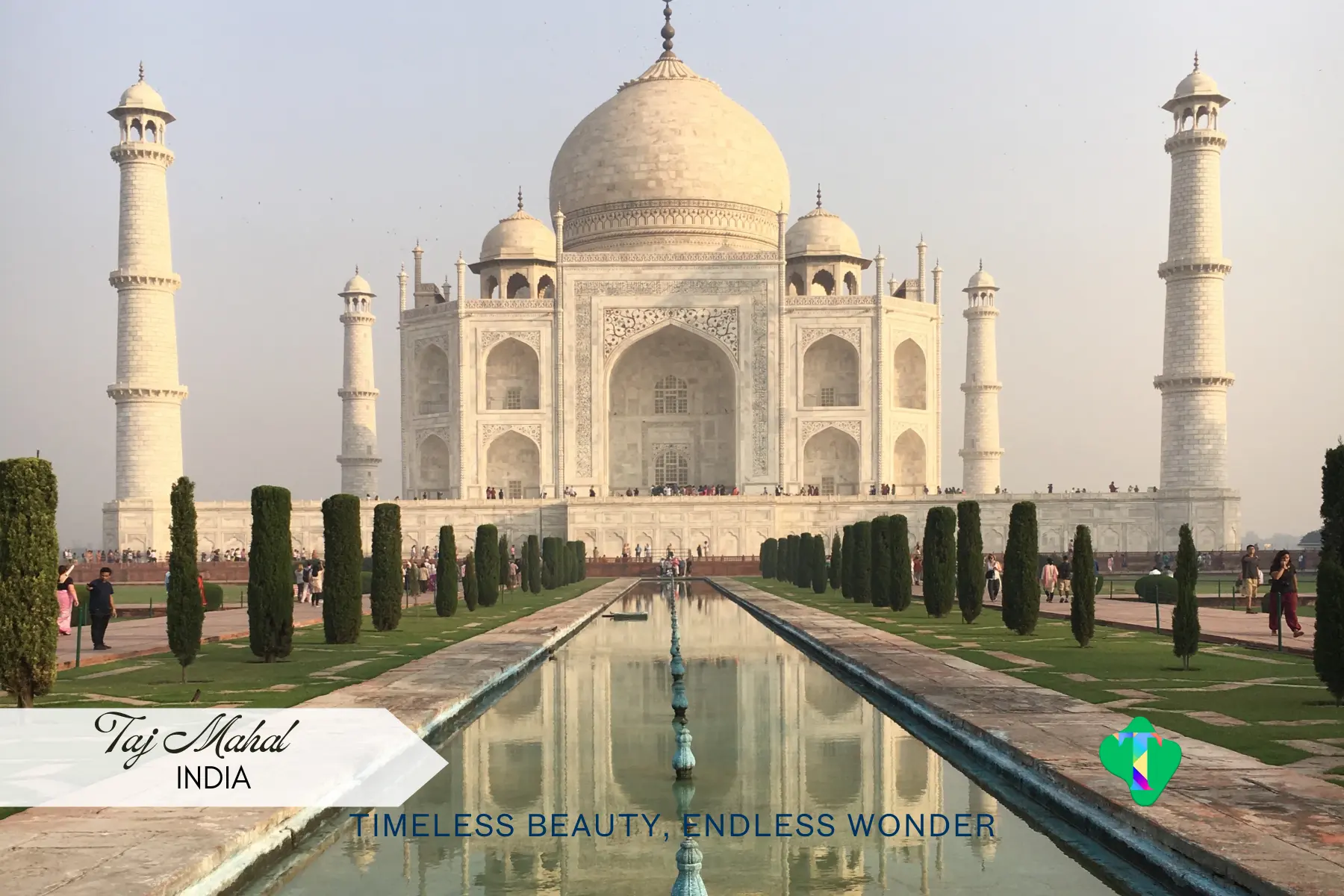
Agra centers entirely around Mughal grandeur. Sunrise at Taj Mahal remains one of travel’s great experiences, when soft light turns white marble pink and gold. Agra Fort tells stories of emperors who built monuments by day and watched the Taj Mahal from prison windows by night.
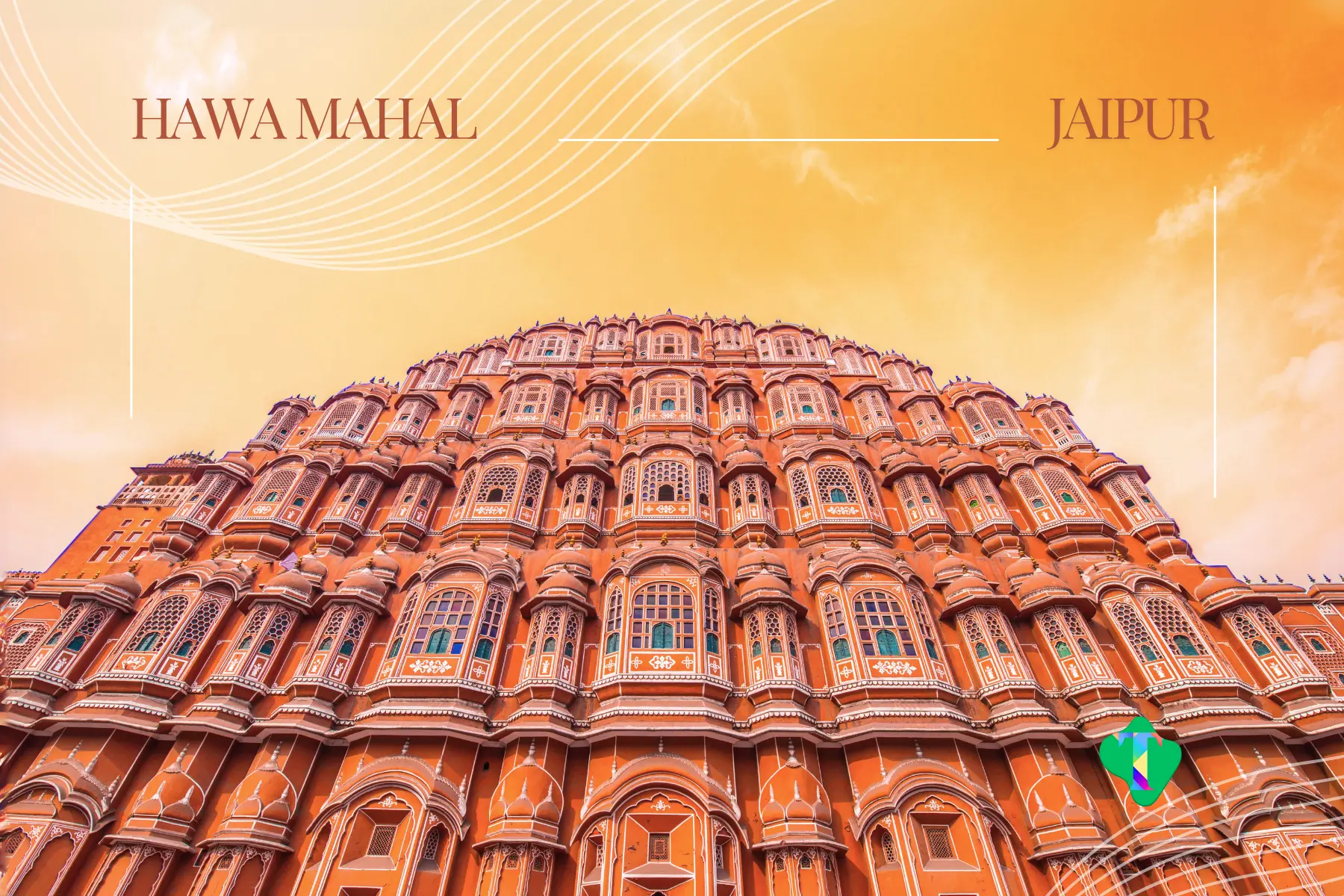
Jaipur wraps you in Rajasthani color and chaos. Amber Fort’s mirror palace reflects candlelight into a thousand points, while Hawa Mahal’s honeycomb facade lets royal women watch street processions unseen. Evening markets sell block-printed textiles, blue pottery, and silver jewelry that make perfect souvenirs.
Munnar’s tea estates roll across hillsides in shades of green you didn’t know existed. Walk between tea bushes as pickers fill baskets with fresh leaves, visit colonial-era tea museums, and wake to mountain mist through your window.
Thekkady’s Periyar Wildlife Sanctuary protects elephants, gaur, and over 260 bird species. Early morning boat rides across Periyar Lake offer the best wildlife spotting chances. Spice plantation tours teach you the difference between cardamom and black pepper plants growing in a natural forest.
Alleppey houseboat cruises define the Golden Triangle and Kerala Backwaters combination. Private houseboats with bedrooms, bathrooms, and open-air decks become your floating home. Watch village life unfold along the banks as you drift past churches, temples, and children waving from canoes.
Days 1-2: Delhi exploration, including Red Fort, Jama Masjid, India Gate, and Qutub Minar
Day 3: Drive to Agra, afternoon visit to Agra Fort and local marble workshops
Day 4: Sunrise at Taj Mahal, drive to Jaipur via Fatehpur Sikri
Days 5-6: Jaipur sightseeing, including Amber Fort, City Palace, Hawa Mahal, and Jantar Mantar observatory
Day 7: Fly to Kochi, explore Fort Kochi, and Chinese fishing nets
Days 8-9: Drive to Munnar, tea estate visits, and mountain scenery
Day 10: Drive to Thekkady, afternoon spice plantation tour
Day 11: Morning wildlife boat ride at Periyar Lake, drive to Alleppey
Days 12-13: Houseboat cruise through backwaters with overnight stay onboard
Day 14: Disembark in Alleppey, drive to Kochi airport for departure
This Golden Triangle and Kerala Backwaters itinerary balances cultural sightseeing with natural beauty. Adjust days based on your travel pace and interests.
Book internal flights between Jaipur and Kochi well in advance to secure better fares. Delhi and Jaipur connect daily to Kochi via direct and connecting flights. Pack layers since north India requires warmer clothes in winter, while Kerala stays tropical year-round.
Hire local guides at major monuments who bring history alive with stories and context. Skip the audio guides and spend those rupees on a knowledgeable human who answers your questions. Photography rules vary by site; the Taj Mahal allows cameras but prohibits tripods and drones.
Respect local customs at religious sites by dressing modestly and removing shoes when required. Kerala’s churches and temples welcome visitors but expect covered shoulders and knees. Mosques and temples in the Golden Triangle follow similar dress codes.
Golden Triangle and Kerala Backwaters packages vary widely based on accommodation choices and travel season. Budget travelers can complete the circuit staying in guesthouses and using public transport between cities for around ₹30,000 to ₹40,000 per person. Mid-range packages with three-star hotels, private cars, and deluxe houseboats run ₹60,000 to ₹80,000 per person.
Luxury Golden Triangle and Kerala Backwaters tours featuring heritage hotels, five-star properties, and premium houseboats cost ₹1,20,000 to ₹2,00,000 per person. These packages include private guides, all meals, and seamless transfers. Peak season (November to February) commands 20 to 30 percent higher rates than shoulder months.
Internal flights add ₹5,000 to ₹10,000 per person, depending on booking timing. Monument entry fees total around ₹2,000 to ₹3,000 per person for all major sites. Meals outside hotels cost ₹300 to ₹800 per person daily, depending on restaurant choices.
We did the 12-day Golden Triangle and Kerala Backwaters tour and it exceeded expectations. The contrast between north and south India was perfect, our guide was knowledgeable, and the houseboat stay was unforgettable.
The Golden Triangle and Kerala Backwaters combination offers the full spectrum of India in one journey: monuments and markets, forts and floating villages, bustling cities and calm waterways. Whether you choose one route or combine both, partnering with experienced travel agents in Delhi keeps logistics invisible so your energy stays focused on the experience itself. You’ll return home with camera rolls full of sunrise monuments and sunset boat rides, taste memories of tandoori and coconut curries, and stories that last far beyond your vacation days. Contact TripVedas Yatra & Holidays for customized tour packages India travelers cherish, crafted by Delhi’s trusted tour operators.
 Dubai Tour from Delhi 3 Days 4 Nights
Original price was: ₹35,000.00.₹25,000.00Current price is: ₹25,000.00.
Dubai Tour from Delhi 3 Days 4 Nights
Original price was: ₹35,000.00.₹25,000.00Current price is: ₹25,000.00. Dubai Honeymoon Tour from Delhi
Original price was: ₹60,000.00.₹48,000.00Current price is: ₹48,000.00.
Dubai Honeymoon Tour from Delhi
Original price was: ₹60,000.00.₹48,000.00Current price is: ₹48,000.00. Uttarakhand Bike Backpacking Trip from Delhi | Epic 10-Day Alpine Ride 2025
Original price was: ₹42,000.00.₹33,500.00Current price is: ₹33,500.00.
Uttarakhand Bike Backpacking Trip from Delhi | Epic 10-Day Alpine Ride 2025
Original price was: ₹42,000.00.₹33,500.00Current price is: ₹33,500.00. Adventure Soul Corbett to Chopta from Delhi
Original price was: ₹25,000.00.₹19,000.00Current price is: ₹19,000.00.
Adventure Soul Corbett to Chopta from Delhi
Original price was: ₹25,000.00.₹19,000.00Current price is: ₹19,000.00. Himachal Backpacking Trip Manali Kasol Jibhi from Delhi
Original price was: ₹23,000.00.₹18,500.00Current price is: ₹18,500.00.
Himachal Backpacking Trip Manali Kasol Jibhi from Delhi
Original price was: ₹23,000.00.₹18,500.00Current price is: ₹18,500.00.